
 A short look back: During our visit to Wellington a couple of weeks ago, we joined native New Zealanders in celebrating Anzac Day. It’s similar to our Veterans’ Day and memorialises those who suffered and died fighting in WW1, The Great War. The Australian and New Zealand Army Corps (later nicknamed ANZAC) entered the war when they landed on a beach at Gallipoli, Turkey on April 25, 1915 to fight on the western front. It’s a long story, but the anticipated short battle to overtake the Turks turned into a 9 month long disaster with thousands of lives lost. However, the willingness to engage in war and the pay ultimate sacrifice established a global identity for New Zealand. On this national holiday red poppy flowers are pinned to clothing in remembrance of their growth in the soil that was unearthed or disturbed … by bombs and blasts, during the war. Think Anzac Day, think red poppies!
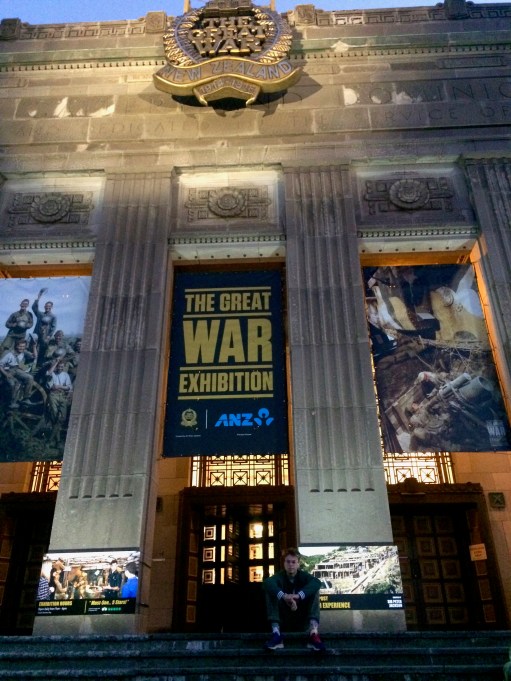
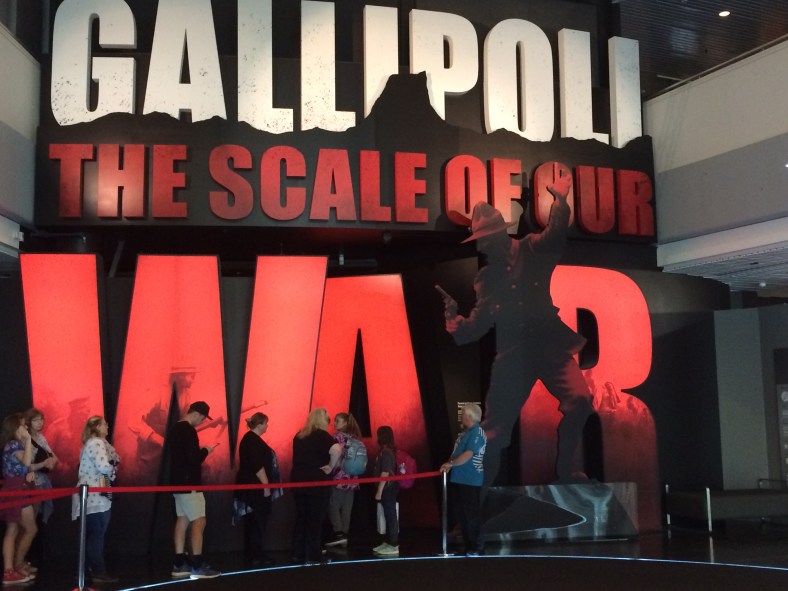
The Wellington Great War Exhibition and “Gallipoli, The Scale of War” at Te Papa Museum were incredibly powerful. We appreciated the models, movie-making tricks, and digital technology even more after visiting Weta Workshop and meeting the creative artists involved in the exhibits. Below is one of the intricate small scale models of a battlefield with trenches and bunkers on each side. Sometimes allies and enemy were only separated by a 100 meter field. Singing or yelling across to the other side was doable and gives credibility to the Christmas caroling story. We learned much on the guided tour, too many details to report here, but the harsh reality that so many young lives were deemed expendable stuck with us. 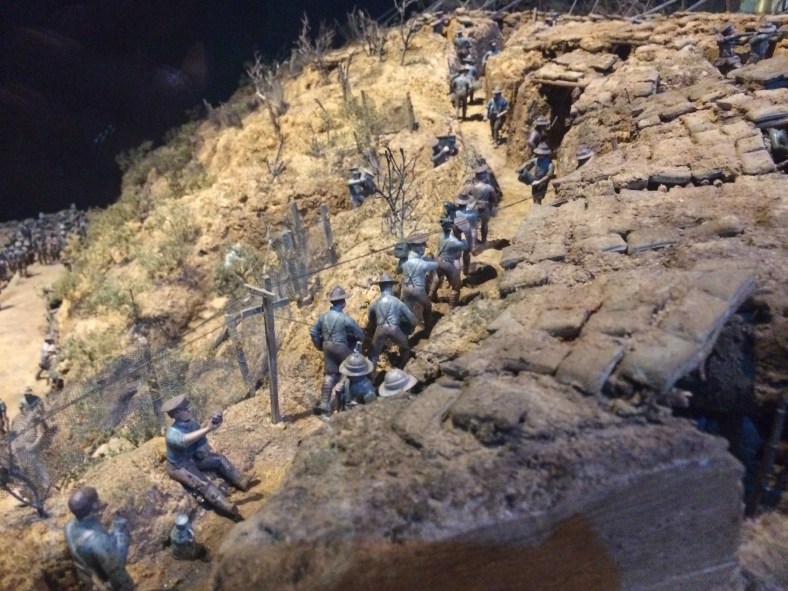
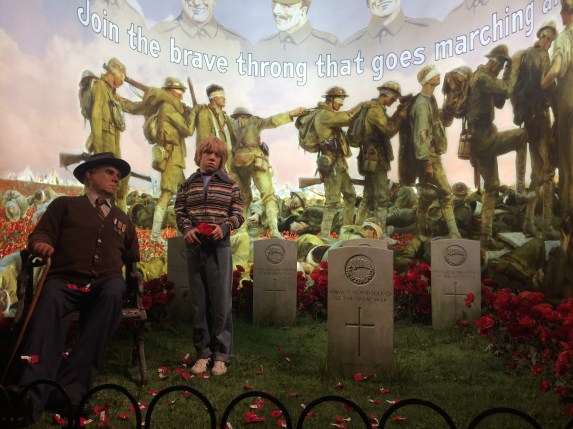
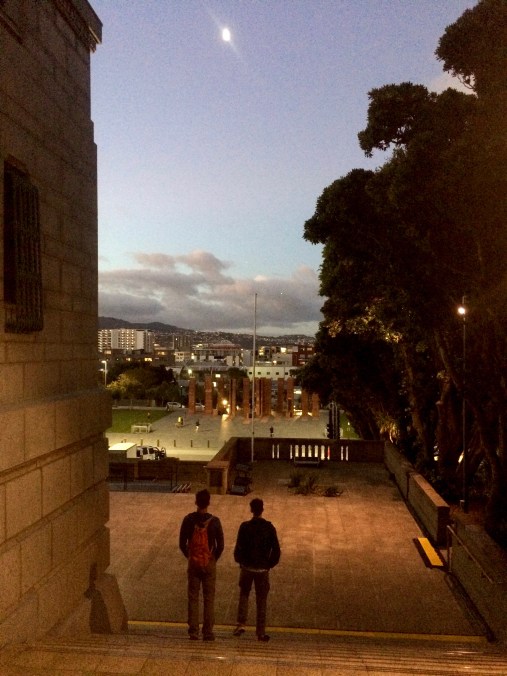
 “Gallipoli, The Scale of War” uses triple-sized human figures to tell the tales of 9 men and women who fought and died and cared for the sick on the western coast of Turkey (Ottoman Empire). The detail on the figures was hard to believe. A decision was made to super size them to emphasise the magnitude of a war and allow viewers to experience the action and moments on a personal, visceral level. Each were life -like to say the least. You can get just inches away and almost think you hear them breathing…or yelling.

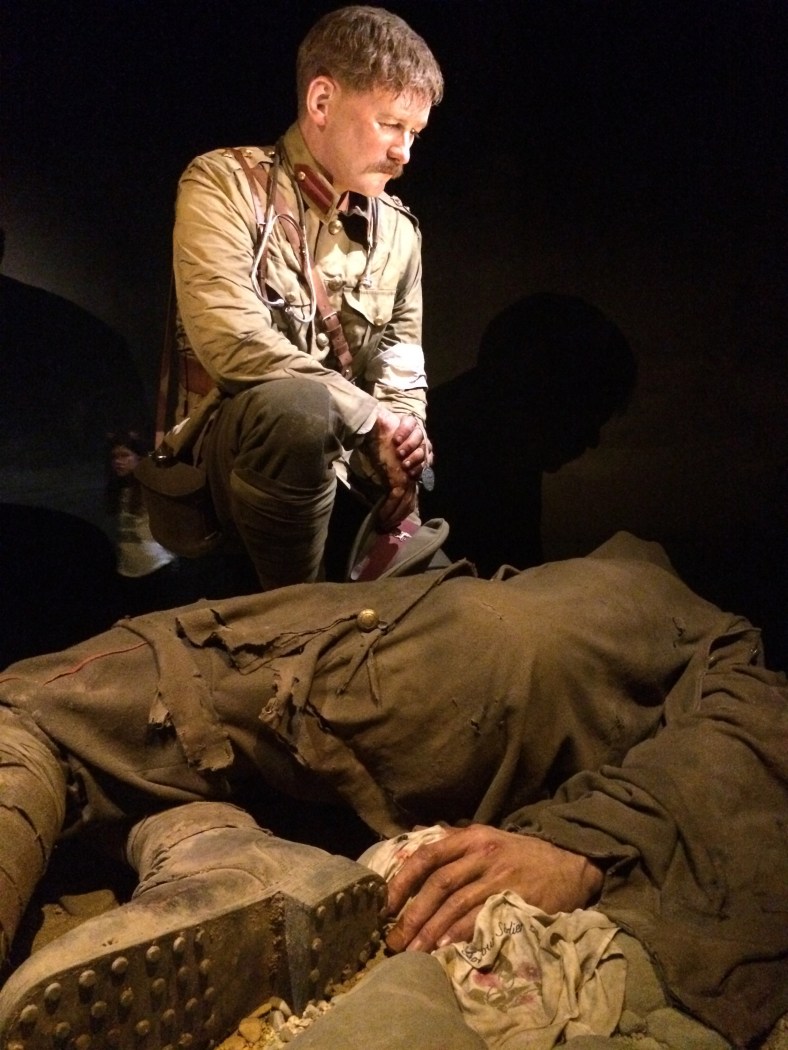
 Since New Zealand was a small country of only 1 million people, they lost a significant percentage of their young male population. Over 100,000 served overseas and approximately 1 in 5 men did not return. Thousands of native Maori and Pacific Islander solders fought and died in the Great War.


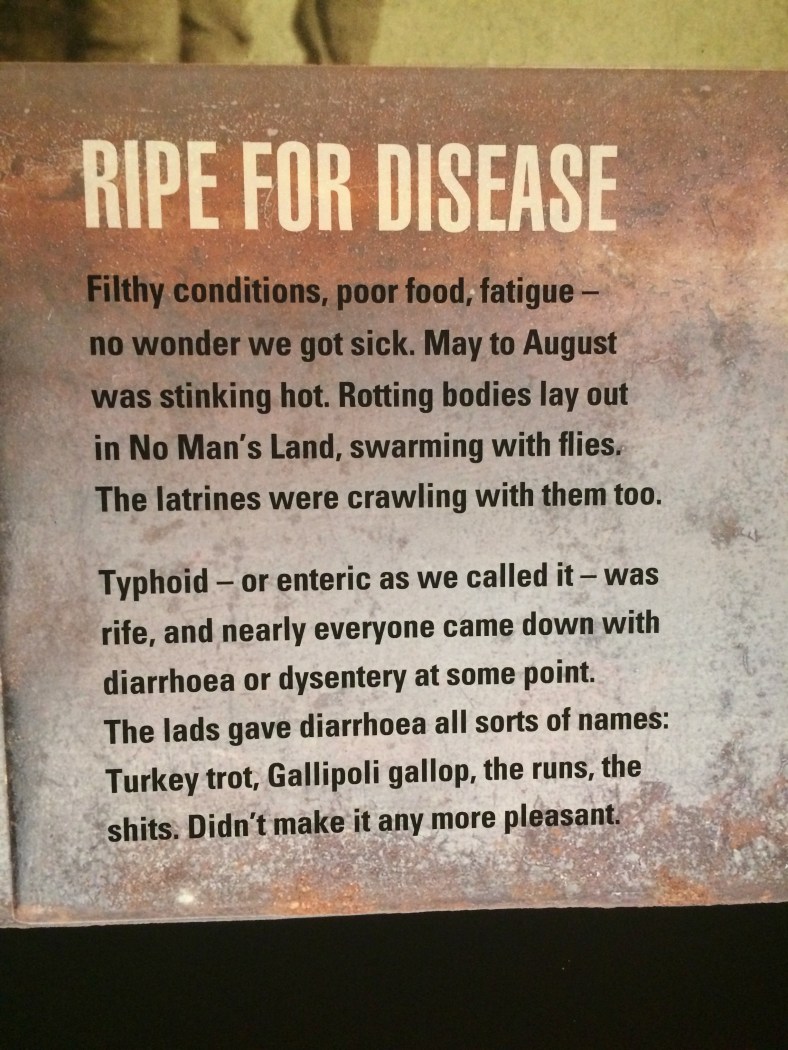



Below is a video from a 3 dimensional Xray animation made for the war exhibit. It illustrates the real life outcomes from bullets, shrapnel, and bomb blasts. The shockwaves produce internal injuries as well. The weapons and their effects are historically accurate.
Thanks for reading, more carefree posts to follow…!
 New Zealand Life